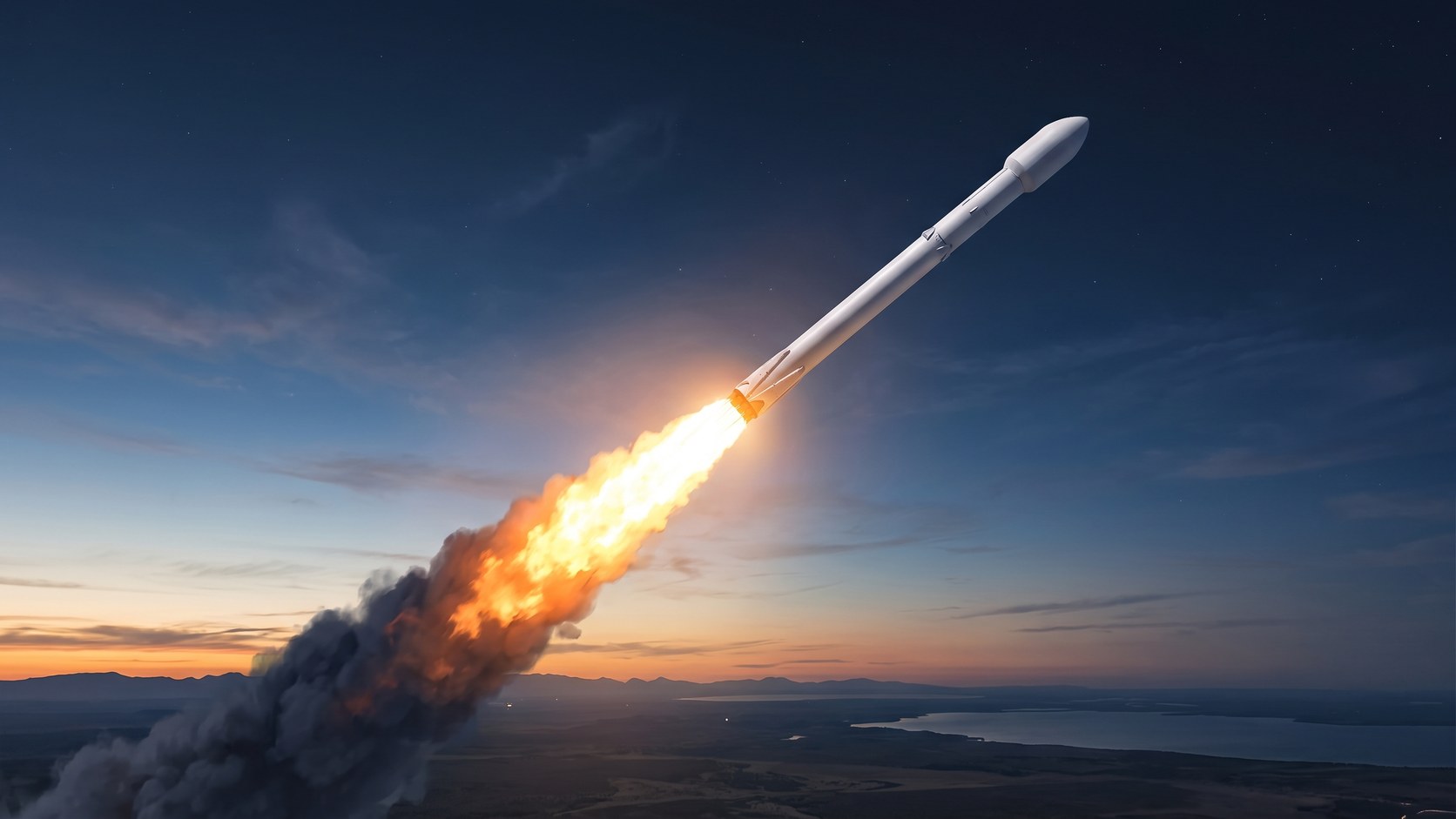
On October 13, 2026, NASA and SpaceX launched the CRS-35 mission on a Falcon 9. It carried the final two ROSA roll-out solar array wings for the International Space Station. Each wing is expected to produce more than 20 kW and to last more than 10 years.
In three lines
- On October 13, NASA's CRS-35 resupply mission launched on a Falcon 9.
- It carried the last two ROSA roll-out solar array wings for the International Space Station (ISS).
- A version of the ROSA design will also help power NASA's SR-1 Freedom, planned for launch in 2028.
What happened
NASA and SpaceX launched a Falcon 9 at about 6:35 a.m. EDT on October 13 (NASA's schedule says 6:33; reports give both, so we say "about") from Cape Canaveral Space Force Station in Florida. The Cargo Dragon (C211) carried about 6,300 pounds (roughly 2.9 tonnes) of science equipment and supplies. It is the 35th flight under NASA's Commercial Resupply Services contract.
After about two days of flight, Dragon was scheduled to dock autonomously at about 11 a.m. EDT on October 15 at the space-facing port of the station's Harmony module, and to stay for about a month. The Falcon 9 first stage (B1096) flew for the eighth time and landed at a site next to the launch pad.
The star of the cargo: roll-out solar arrays
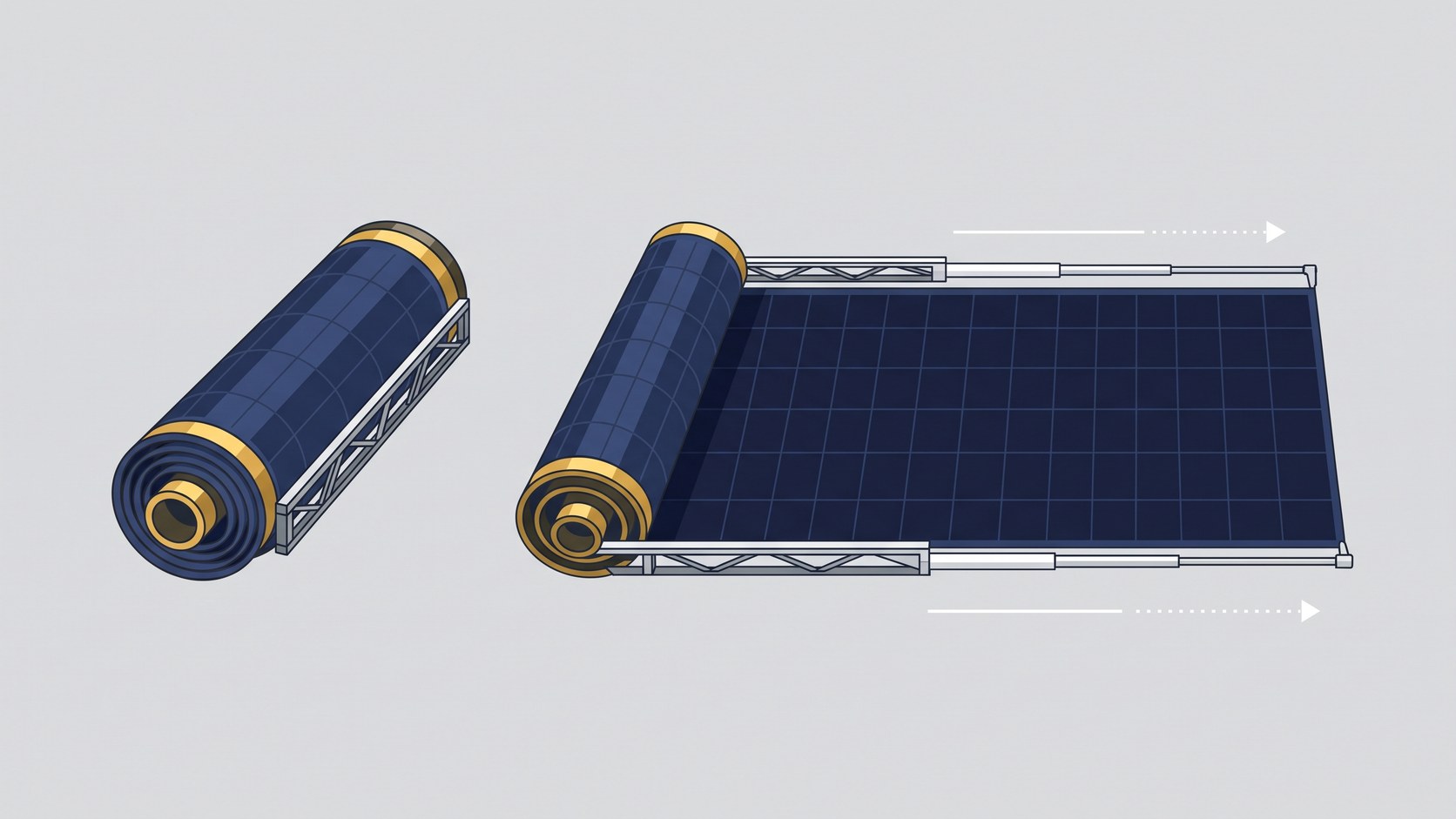
The cargo included two ROSA (Roll-Out Solar Array) wings built by Redwire Space. They are the fourth and final pair for the ISS. Each wing is expected to produce more than 20 kW and to last more than 10 years.
ROSA is a solar array that is rolled up like a scroll for launch and unrolled in space. Because it packs small, it makes good use of a rocket's limited cargo space.
Why it matters
- More power for the ISS: NASA is preparing the installation through a series of spacewalks. The source gives no specific dates.
- Reused in the next project: A version of the ROSA design is expected to help power SR-1 Freedom, planned for 2028.
- Technology builds up slowly: ROSA was first demonstrated on CRS-11 in 2017. About nine years passed before the last two wings launched.
Connecting it to what you are learning
"Pack it small, carry it light, unfold it on site" is the same idea behind lowering launch costs. And a Falcon 9 first stage returning from its eighth flight shows how ordinary reusable rockets are becoming.
Read next
Source
- NASA, "NASA's SpaceX CRS-35" → https://www.nasa.gov/event/nasas-spacex-crs-35
- Space.com, "SpaceX launching 6,300 pounds of cargo to the ISS on Oct. 13" → https://www.space.com/space-exploration/international-space-station/spacex-crs-35-cargo-launch-international-space-station
- Spaceflight Now, "SpaceX launches NASA science and cargo to the International Space Station" (October 13, 2026) → https://spaceflightnow.com/2026/10/13/spacex-launches-nasa-science-and-cargo-to-the-international-space-station/
Verification (2026-10-16): the launch date and mission purpose were checked on NASA's page; the weight, the final ROSA pair and the docking plan on Space.com as well. The 20 kW, 10-year and SR-1 Freedom details come from Spaceflight Now only. Docking completion is not yet confirmed. The weight is converted from pounds.
Thank you for reading. Was this article useful to you?
Thank you. If you like, tell us what you thought in a line or two.
Optional. No name or email needed.
Received. We will use your words to make better articles.