On October 15, 2026, Tesla revealed the second-generation Roadster. Some versions have a fan-based suction system for downforce and "cold-gas thrusters" (devices that push the car by releasing compressed gas), and the top Rocket trim is described as able to fly.
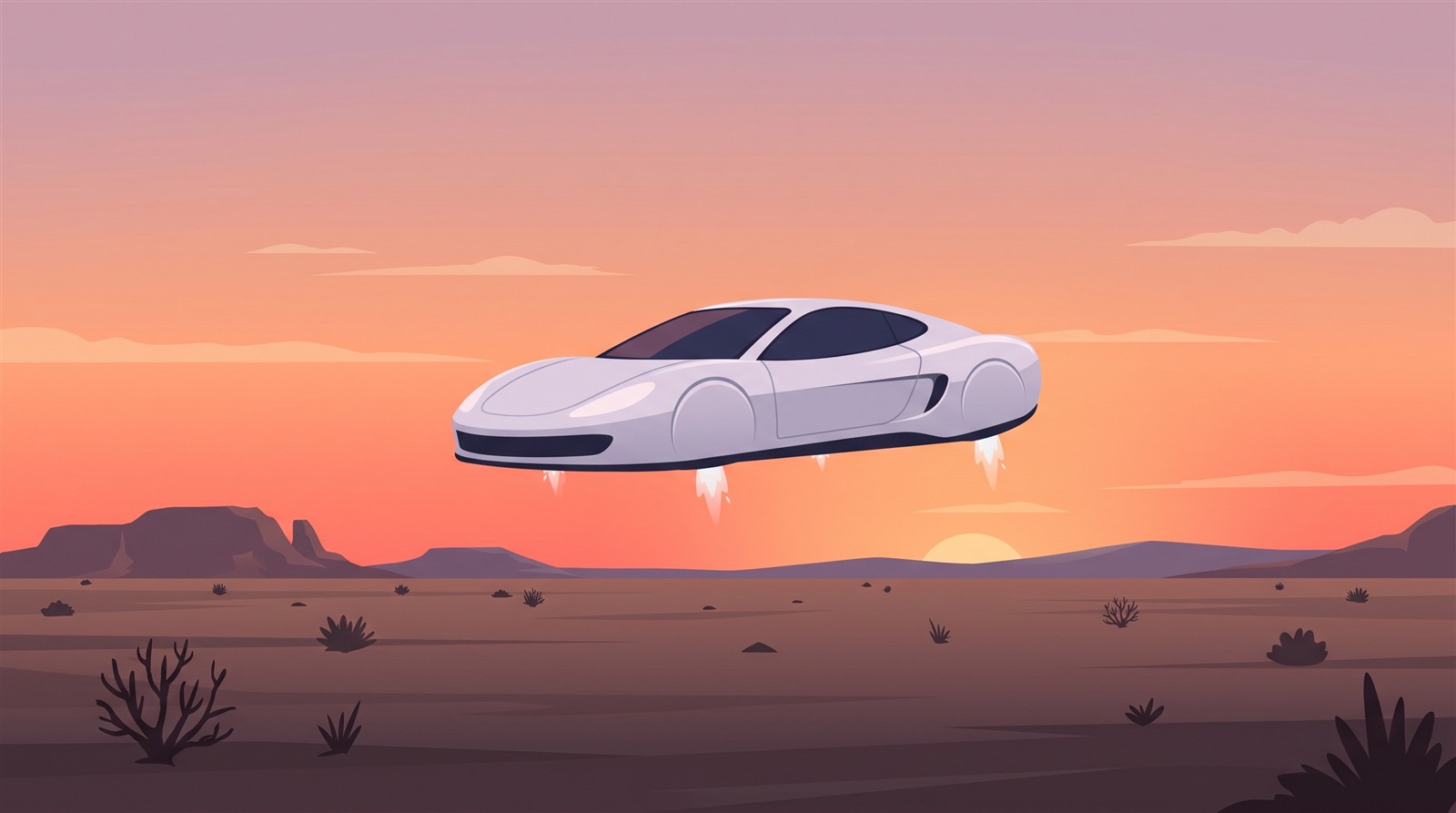
In three lines
- Tesla revealed the second-generation Roadster, in three trims: Performance, Thrust and Rocket.
- Its signature features are a suction system that pulls air out from under the car and cold-gas thrusters that release compressed gas.
- Production is reported to start in 2028. Tesla's page notes the car is not approved for public road use.
What happened
According to Tesla's official page, the new Roadster comes in three trims.
| Trim | Seats | Features (from Tesla's page) |
|---|---|---|
| Performance (by reservation) | 2 | Active aerodynamics and a suction system that raises downforce |
| Thrust (limited release) | 2 | Suction system plus rear cold-gas thrusters, 0-60 mph (about 97 km/h) in under 1 second |
| Rocket (invite only) | 1 | Thrusters around the perimeter support forward and upward acceleration and rotation. The page says "yes, it can fly" |
TechCrunch reports the reveal was held at an event near Waco, Texas, with a demo using the fans and thrusters, including moves over other vehicles. No price was announced; deposits are reported as $50,000 (Performance) and $250,000 (Thrust).
How it works, simply
Suction system (fans): Fans pull air out from the gap between the car's underside and the ground, pressing the car down. Tesla's page says there is enough suction to hold the car upside down, even when stationary. It creates downforce, which normally needs high speed, even at a standstill.
Cold-gas thrusters: They release compressed air or gas without burning anything, and the reaction pushes the car. They cannot match a rocket engine's raw power, but they give small, fast, finely controlled pushes. The same approach is used to turn satellites. Tesla's page says electric actuators allow micro-adjustments within a fraction of a second.
Note: TechCrunch reports that Tesla's engineering VP said 10 thrusters connect to 600 liters of compressed air that can be recharged. This figure is not on Tesla's page and comes from one report.
Why it matters
Raising a car's performance is no longer only about stronger motors; it now includes controlling motion with airflow and gas jets, bringing attitude-control ideas from rockets and satellites into a car. My own view: the flying feature looks more like a technology demonstration than practical transport. Musk was also reported to say the Roadster does not move the needle much on revenue.
Read next
Sources
- Tesla, "Roadster" official page (checked October 17, 2026) → https://www.tesla.com/roadster
- TechCrunch, "Tesla reveals SpaceX-powered Roadster that flies and falls with style" (October 15, 2026) → https://techcrunch.com/2026/10/15/tesla-reveals-spacex-powered-roadster-that-flies-and-falls-with-style/
Verification (2026-10-17): trim names and features were confirmed on Tesla's official page. The event details, deposits ($50,000 / $250,000), the 2028 production start and the 600-liter tank come from TechCrunch only and were not confirmed on the official page. Performance figures (top speed, range) differ between reports, so this article omits them.
Thank you for reading. Was this article useful to you?
Thank you. If you like, tell us what you thought in a line or two.
Optional. No name or email needed.
Received. We will use your words to make better articles.